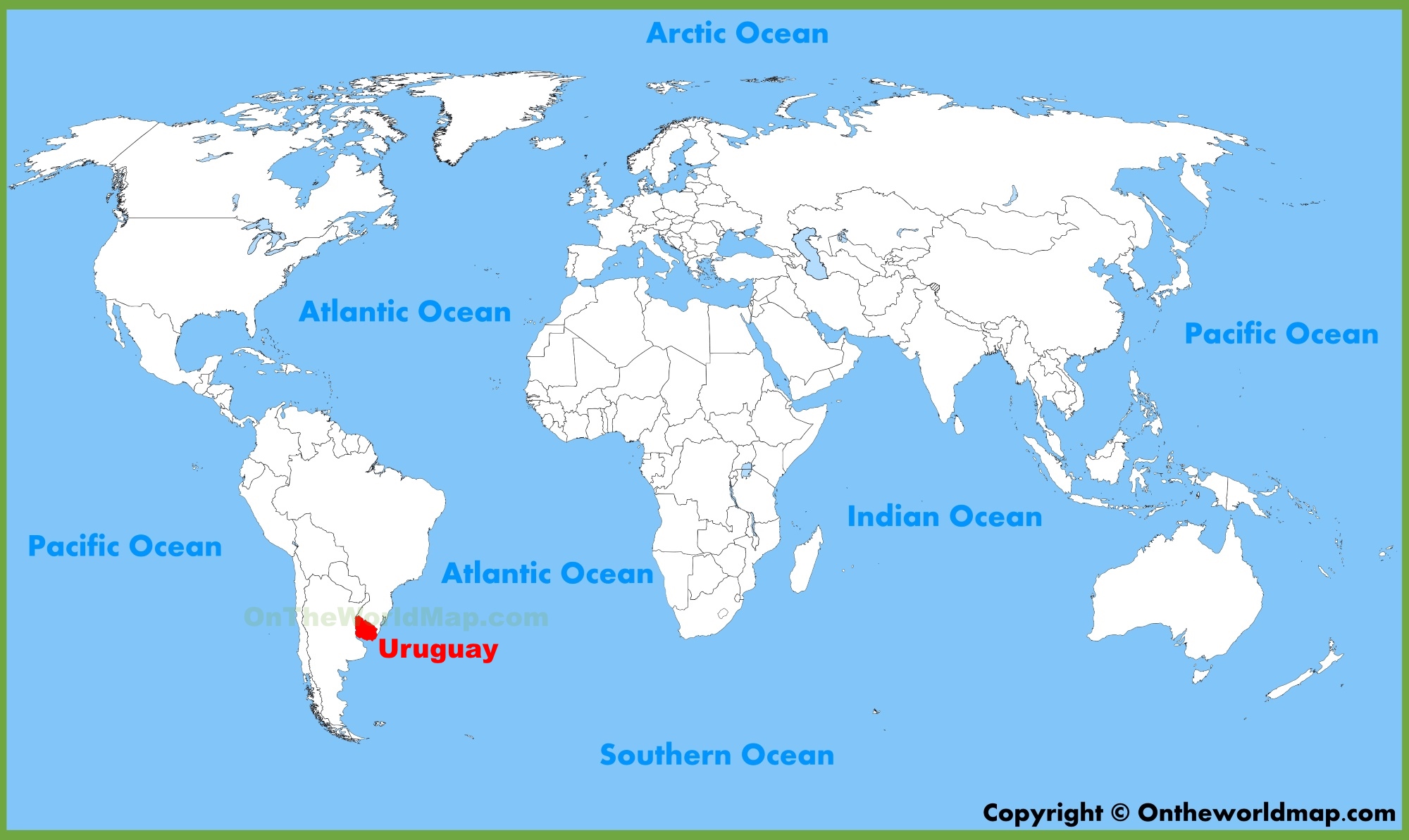
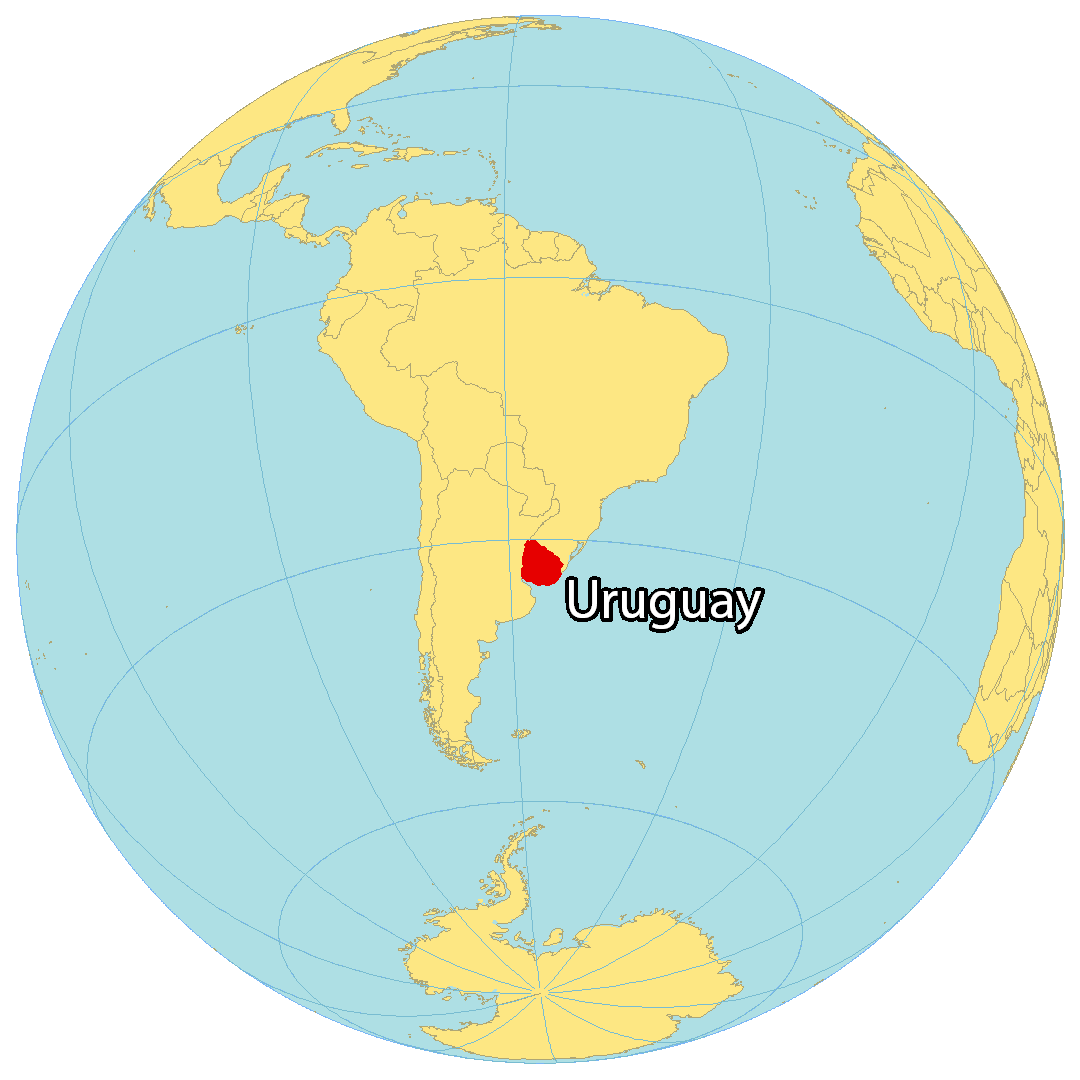
Uruguay, a captivating nation in South America, occupies a unique space on the global stage. Many people frequently ask about its precise location on the world map. This informative guide will detail Uruguay's geographical coordinates and its strategic placement within the continent. We will explore its borders with Brazil to the north and Argentina to the west, highlighting its significant access to the Atlantic Ocean coastline. Understanding Uruguay's position is crucial for appreciating its distinct culture, economy, and geopolitical role. This comprehensive overview addresses common inquiries, providing clear navigational insights for students, travelers, and anyone interested in South American geography. Pinpointing Uruguay helps resolve queries about its southern cone presence and proximity to key regional areas, enhancing your knowledge about this remarkable country. Its location between two larger nations significantly shapes its identity and international relations, making it a pivotal point of interest for various informational and navigational searches.
Latest Most Asked Info about Uruguay Location on World MapHey everyone! Welcome to the ultimate living FAQ for understanding Uruguay's location on the world map, updated for the latest informational insights. We know people always have questions, so we've pulled together the most common queries, much like what you'd see in Google's "People Also Ask" section. This guide aims to resolve all your navigational and informational needs about where Uruguay sits globally, its borders, and why its position is so significant. We've optimized these answers for quick understanding, perfect for voice search and featured snippets. Dive in and get all your questions resolved about this fascinating South American nation!
Continental & Hemispheric Placement
Where is Uruguay located on the world map?
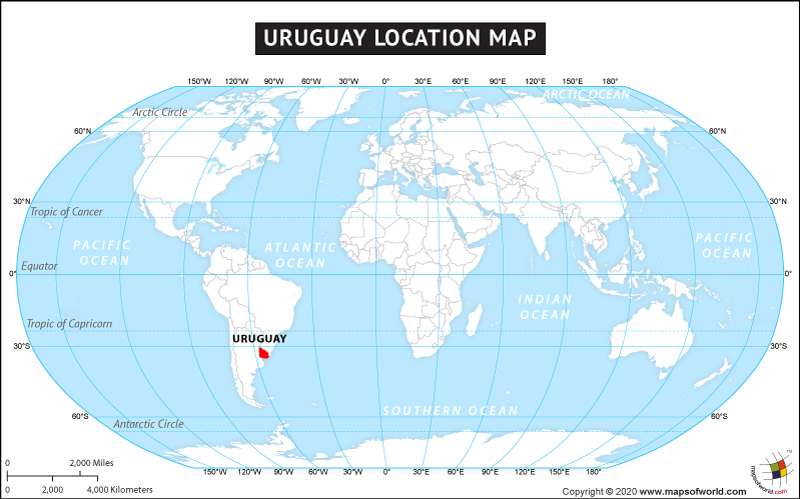
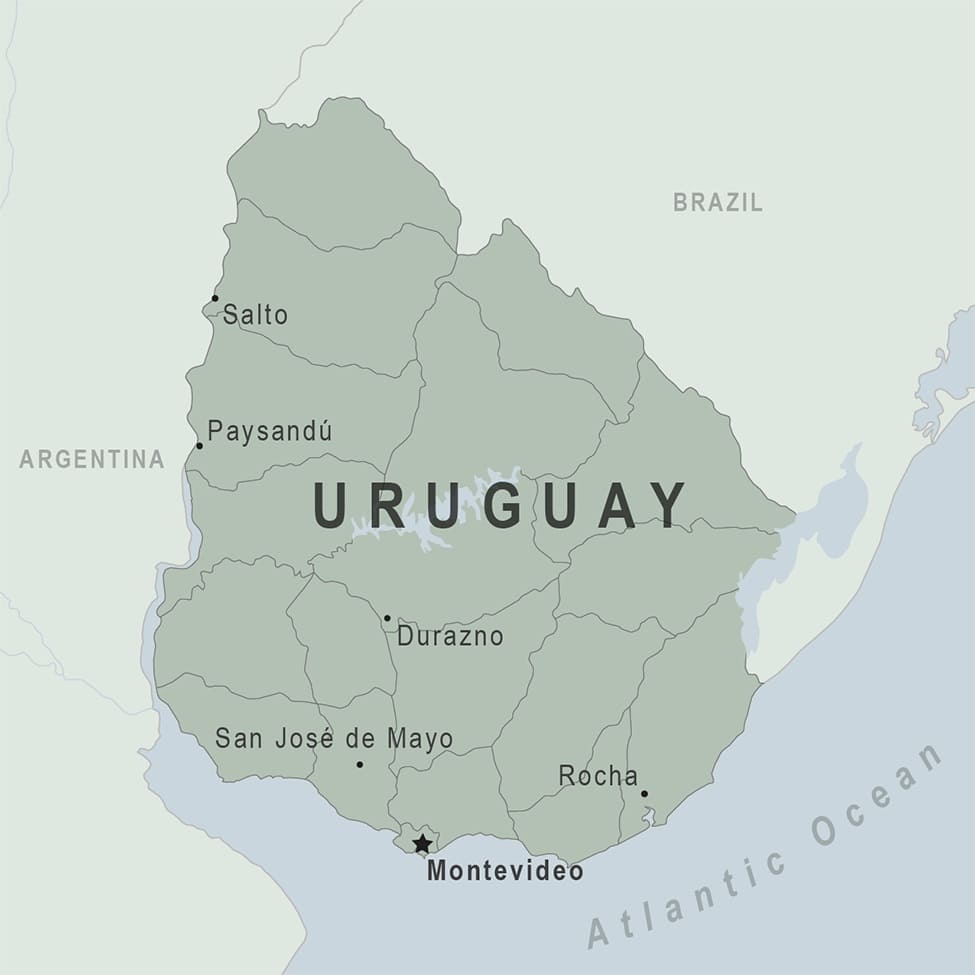
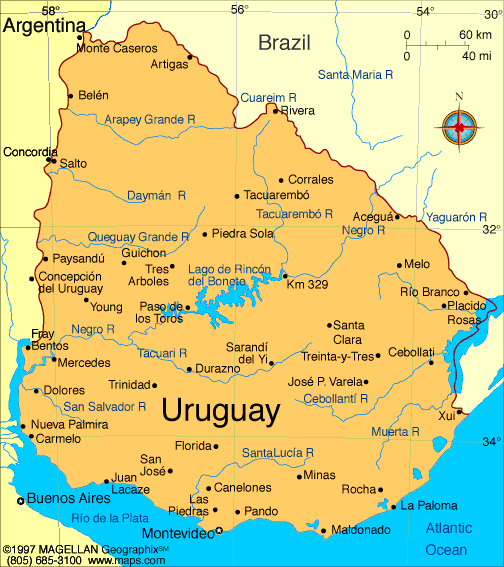
Uruguay is situated in the southeastern part of South America, forming a crucial segment of the continent's Southern Cone. It is strategically positioned between Brazil to its north and Argentina to its west. Its eastern boundary features a long Atlantic Ocean coastline, which is essential for trade and tourism. This placement is central to its geopolitical and economic identity.
Which continent does Uruguay belong to?
Uruguay unequivocally belongs to the continent of South America. It stands as one of the twelve sovereign nations comprising this vast landmass. Its cultural heritage and ecological characteristics are deeply integrated with the broader South American context. Understanding its continental affiliation clarifies its regional and global relationships.
Is Uruguay in the Northern or Southern Hemisphere?
Uruguay is entirely located within the Southern Hemisphere. This geographical fact means its seasons are opposite to those experienced in the Northern Hemisphere, with summer occurring from December to February. Its position places it in a temperate climate zone, influencing its agricultural cycles and natural landscapes. This hemispheric placement is fundamental to its geography.
Neighboring Countries & Land Borders
What countries share a land border with Uruguay?
Uruguay shares terrestrial borders with two significant nations: Brazil, which lies to its north and northeast, and Argentina, situated directly to its west. These extensive land connections are vital for regional trade and cultural exchange. The historical interactions along these borders have profoundly shaped Uruguay's national identity and diplomatic policies.
How does Uruguay's border with Brazil run?
The border between Uruguay and Brazil extends for a considerable length across the northern and northeastern parts of Uruguay. It's characterized by both land and riverine sections, featuring a mix of agricultural areas and small border towns. This shared boundary facilitates cross-border commerce and daily interactions. It is a dynamic and historically significant frontier.
What river separates Uruguay from Argentina?
The Uruguay River forms a significant portion of the border between Uruguay and Argentina, flowing southward. Further south, the vast Rio de la Plata estuary completes the separation, acting as a natural maritime boundary. These waterways are crucial for shipping and provide a scenic backdrop for ferry services connecting the two nations' capitals. They define a natural and historical divide.
Maritime Access & Coastline Features
Does Uruguay have direct access to an ocean?
Yes, Uruguay enjoys extensive direct access to the Atlantic Ocean along its eastern and southeastern flanks. This significant maritime frontage is a cornerstone of its economy, supporting international trade and a thriving tourism industry. Its Atlantic coastline is famous for picturesque beaches and vibrant resort cities like Punta del Este. This oceanic connection is a defining geographical asset.
What is the significance of Uruguay's Atlantic coast?
Uruguay's Atlantic coast holds immense significance for its economy and national character. It provides essential port facilities, particularly in Montevideo, crucial for global trade and logistics. The beautiful coastal stretches also attract millions of tourists annually, boosting the service sector. Moreover, the ocean moderates the climate, creating favorable conditions for residents and agriculture. It is a vital resource.
Are there any major port cities in Uruguay?
Montevideo, Uruguay's capital and largest city, hosts the nation's most important port. This deep-water port is a major regional hub for international shipping and trade within the Southern Cone. It facilitates the import and export of goods for Uruguay and serves as a transshipment point for landlocked neighbors. Its strategic location makes it an indispensable economic asset. Colonia del Sacramento also has an important historical port.
Geographical Dimensions & Scale
How large is Uruguay compared to other South American countries?
Uruguay is notable for being the second smallest independent country in South America by land area, with Suriname being slightly smaller. This compact size sets it apart from its much larger neighbors, Brazil and Argentina. Despite its modest dimensions, it maintains a strong national identity and economic influence within the region. Its scale impacts its governance and internal connectivity.
To which international entities is Uruguay's size comparable?
Globally, Uruguay's land area is roughly comparable to countries like England in the United Kingdom or the state of Washington in the United States. This comparison helps provide a tangible sense of its scale for international audiences. Its manageable size contributes to efficient infrastructure and a relatively high quality of life. This perspective often surprises those unfamiliar with its dimensions.
Regional & Geopolitical Importance
Why is Uruguay's location considered geopolitically important?
Uruguay's geopolitical importance stems from its strategic position between the large economies of Brazil and Argentina, coupled with its Atlantic access. It acts as a neutral ground and a stable trading partner in the Southern Cone. Its well-managed port in Montevideo serves as a gateway for regional commerce, enhancing its role in international relations and economic development. This makes it a key regional player.
How does Uruguay's location influence its trade?
Uruguay's location significantly boosts its trade capabilities. Its port in Montevideo is a critical transshipment point for goods from landlocked South American nations, expanding its logistical reach. The country benefits from its position on major Atlantic shipping routes, facilitating efficient global imports and exports. This geographical advantage underpins its status as an open economy. Trade is a cornerstone of its prosperity.
Climate & Environmental Factors
What kind of climate does Uruguay have due to its location?
Due to its temperate location in the Southern Hemisphere and Atlantic influence, Uruguay experiences a mild, humid subtropical climate. It has distinct seasons: warm summers, mild winters, and moderate autumns and springs. The ocean helps prevent extreme temperature fluctuations. This favorable climate supports extensive agriculture and offers pleasant conditions for residents and tourists year-round. It is a key factor in its lifestyle.
How do geographical features influence Uruguay's agriculture?
Uruguay's geographical features, particularly its fertile grasslands (Pampas) and temperate climate, are ideal for agriculture. The rich soils support extensive cattle ranching, which is central to its economy and culture, producing world-renowned beef. The climate is also conducive to growing various crops and supporting a burgeoning wine industry. These natural endowments directly link location to livelihood. Agriculture thrives in these conditions.
Historical & Cultural Context
How has Uruguay's location shaped its history?
Uruguay's location, between rival colonial powers Spain and Portugal (later independent Brazil and Argentina), made it a contested territory for centuries. This struggle for independence and sovereignty led to a strong national identity. Its position also facilitated European immigration, enriching its culture with diverse influences. The strategic importance of the Rio de la Plata consistently played a major historical role. Its history is a testament to its location.
What cultural influences are prominent due to Uruguay's location?
Uruguay's culture is a vibrant blend, largely influenced by its neighbors Argentina and Brazil, and its European immigrant heritage. Spanish and Italian traditions are strong, yet it also shares aspects like mate drinking and a passion for fútbol with Argentina. Brazilian influences are noticeable in border regions. This unique geographical position has fostered a rich, syncretic cultural identity. It's a true cultural melting pot.
Infrastructure & Connectivity
What are the primary modes of transport connecting Uruguay to its neighbors?
The primary modes of transport connecting Uruguay to its neighbors are ferries across the Rio de la Plata to Argentina, and extensive road networks linking to Brazil and Argentina. There are also international bus services that operate frequently. Air travel through Montevideo's international airport connects it further afield. These connections are crucial for regional commerce and tourism. Accessibility is a key strength.
How does internal travel work given Uruguay's size?
Internal travel in Uruguay is notably efficient and convenient due to the country's relatively compact size. A well-maintained road network connects major cities and regions, allowing quick drives from the capital to coastal areas or agricultural heartlands. Public transportation, mainly buses, is reliable and widespread. This ease of movement makes exploring the diverse landscapes very practical and enjoyable for residents and visitors. It truly promotes national cohesion.
Future Outlook & Development
How might Uruguay's location impact its future economic development?
Uruguay's strategic location is expected to continue playing a pivotal role in its economic development. Its position as a stable trade and logistics hub for the Southern Cone remains crucial for attracting foreign investment and expanding its international trade. Developing its port infrastructure further could enhance its role as a regional gateway. Its stability makes it an attractive future prospect. The geographical advantage is enduring.
What role does Uruguay's location play in regional environmental concerns?
Uruguay's location at the mouth of the Rio de la Plata and along the Atlantic coast places it at the forefront of regional environmental concerns, particularly regarding water quality and coastal protection. Collaboration with Argentina and Brazil is vital for managing shared river basins and addressing issues like pollution and climate change impacts. Its temperate climate also means it faces unique challenges and opportunities in sustainable agriculture. It’s a key player in regional environmental stewardship.
Still have questions?
I hope this comprehensive FAQ resolved many of your queries about Uruguay's location. If you’re wondering "What is the capital of Uruguay and where is it located on the map?", it's Montevideo, situated on the southern coast along the Rio de la Plata estuary, perfectly positioned as the nation's primary port and largest city, a true testament to its advantageous geography. Keep exploring!
Hey everyone! So, a lot of you have been asking, "Where exactly is Uruguay located on the world map?" Honestly, it's a super common question. I totally get it; sometimes those smaller countries in South America can feel a bit elusive. But let me tell you, finding Uruguay is actually pretty straightforward once you know what to look for on the map. It's a cool little spot, and its location really tells a big part of its story. So, let's dive into exactly where you can find this fascinating country and what makes its spot so unique.
Understanding Uruguay's Place on the World Stage: A Global Perspective
Honestly, when you first glance at a comprehensive world map, some nations immediately stand out, right? Then there are those like Uruguay, which might seem less prominent at first. However, its geographical position is undoubtedly prime real estate in the southeastern part of South America. This country, though modest in size, consistently punches above its weight, and its unique geography significantly contributes to its intriguing narrative. We're truly discussing a nation that holds a surprisingly impactful role for its physical dimensions, which is quite impressive for many to grasp initially.
Precisely Pinpointing Uruguay on the Map: Coordinates and Hemispheres
So, where precisely can you locate this often-underestimated South American nation? Uruguay is strategically situated on the eastern coastline of the Southern Cone region within South America. If you visualize the entire continent as a general hand shape, Uruguay nestles prominently near the bottom, somewhat akin to the thumb's position. This specific placement grants it vital access to several important waterways, shaping much of its maritime and economic activity. I think it’s easy to overlook this, but its proximity to major international shipping lanes provides a distinct and considerable advantage. It’s also often quite a revelation how far south it actually lies, resulting in a wonderfully temperate climate, surprisingly pleasant for visitors.
Its precise geographical coordinates approximately place it between 30 and 35 degrees South latitude. And also between 53 and 58 degrees West longitude. While these specific numbers might appear somewhat abstract on their own, they are fundamental in defining its exact position on the globe. This means Uruguay is firmly located within the Southern Hemisphere, experiencing seasons that are diametrically opposite to those observed in the Northern Hemisphere. Consequently, if you ever plan a visit during December, you’ll be enjoying a full summer Christmas, which is a really unique experience and quite memorable for anyone accustomed to colder festivities.
Understanding these coordinates helps us grasp the country's solar patterns and climatic zones. The sun rises in the east over the Atlantic, offering beautiful sunrises along its coast. The westerly longitudes place it squarely within the American continents. This fundamental geographic data clarifies its position for any global navigation queries. It really helps to resolve common uncertainties about its exact spot.
Uruguay's Key Neighbors and Defining Borders: A Regional Snapshot
When you are attempting to locate Uruguay on any map, understanding its adjacent neighbors becomes incredibly important for comprehending its regional context. The nation shares extensive borders with two absolute behemoths of the South American continent. These close geopolitical relationships profoundly influence much of its cultural tapestry and economic flow, creating a complex interdependent dynamic. It truly feels like being the smaller, yet resilient, sibling positioned gracefully between two much larger and influential brothers. Their sheer size and proximity certainly have a significant and ongoing impact on daily life, trade agreements, and regional collaborations.
To the North: Brazil's Vast and Influential Expanse
If you journey north from Uruguay’s northernmost points, you will inevitably encounter the colossal nation of Brazil. Their shared terrestrial border extends for a considerable length, tracing a significant portion of Uruguay’s northern boundary line. This enduring geographical connection actively facilitates crucial trade routes and fosters profound cultural exchanges between the two nations. You will undoubtedly discover fascinating influences from both cultures beautifully blending, especially in the towns and cities situated close to this extensive border. It’s a really engaging and complex dynamic to observe firsthand. People definitely make frequent crossings for a myriad of reasons, from commerce to family visits, making the border quite permeable and active.
This long-standing boundary is far more than just a simple line drawn on a map; it genuinely represents a vital historical corridor and an essential economic artery for both countries. Brazil, being an enormous neighbor, means Uruguay steadfastly maintains crucial diplomatic and economic ties with it. This intricate relationship is absolutely vital for ensuring regional stability and fostering robust commerce. Sometimes people completely underestimate how extensive that border actually is, stretching across diverse landscapes ranging from expansive plains to more undulating and varied terrains. It really is quite a geographical landmark that many would find interesting to explore and understand.
The border regions often showcase a unique fusion of language and customs. Portuguese, the language of Brazil, subtly mixes with Spanish, Uruguay’s official language, creating a distinct regional dialect in some areas. This linguistic blending is a testament to the close interactions between the populations. It is fascinating to observe how these cultural elements converge. Such a vibrant mix definitely enhances the entire border experience for sure.
To the West: Argentina Across the Iconic Rio de la Plata
Moving to Uruguay’s western flank, you will encounter another formidable South American nation, Argentina. The border delineating these two countries is truly unique and globally recognized, primarily defined by the meandering Uruguay River and subsequently the immensely vast Rio de la Plata estuary. This expansive water boundary represents a profoundly significant feature on any world map, serving as a natural division and a historical pathway. It isn't merely just a river; it's an imposing body of water that rivals the scale of an inland sea, which is quite an impressive geographical marvel when you truly consider its breadth and depth.
Conveniently crossing the Rio de la Plata directly links Uruguay's bustling capital city, Montevideo, with Argentina's vibrant capital, Buenos Aires. High-speed ferries regularly navigate these expansive waters, making travel between these two culturally rich countries relatively effortless and quite enjoyable. Honestly, many discerning travelers frequently combine visits to both nations into a single, comprehensive itinerary, maximizing their South American experience. The deep-rooted cultural ties extending across this iconic river are incredibly strong and enduring. You’ll undoubtedly discover a rich tapestry of shared history, remarkably similar accents, and parallel traditions. It truly fosters a powerful regional bond that is palpable in everyday interactions.
The Rio de la Plata itself is an estuary formed by the confluence of the Uruguay River and the Paraná River. This mighty waterway empties into the Atlantic Ocean, acting as a crucial shipping channel. Its ecological importance is also immense, supporting diverse marine life. Navigating this estuary is an experience in itself, revealing the vastness of the landscape. It really underscores the aquatic connection between these nations.
The Essential Atlantic Ocean Coastline: Uruguay's Maritime Identity
Undoubtedly, one of Uruguay’s most prominent and defining geographical characteristics is its extensive and pristine coastline. This coastal stretch directly faces the formidable and majestic Atlantic Ocean, embracing the full force of its maritime influence. This direct and uninterrupted access to the open sea is absolutely critical for shaping the country’s climate, bolstering its economy, and driving its thriving tourism sector. It undeniably provides Uruguay with a distinct and valuable advantage that numerous landlocked nations can only dream of possessing. I’ve heard countless people rave about its unbelievably stunning beaches, describing them as truly world-class destinations.
Miles of Beautiful Atlantic Shores: Tourism and Recreation Hubs
Uruguay proudly boasts a considerable expanse of picturesque coastline along the magnificent Atlantic. This captivating coastal area is famously home to an array of breathtaking beaches and incredibly popular resort towns, drawing in visitors from across the globe. Iconic destinations such as Punta del Este have achieved international acclaim, attracting a diverse and sophisticated clientele. This vibrant coastal strip significantly contributes to the nation's economy, particularly through a booming tourism industry during the peak summer months. It's unequivocally a major attraction for countless holidaymakers and sun-seekers, offering a perfect blend of relaxation and lively entertainment.
The powerful ocean also plays a profoundly crucial role in meticulously shaping Uruguay’s overall climate patterns. Its moderating influence on temperatures helps prevent the occurrence of extreme heatwaves or intense cold spells, creating a consistently pleasant environment year-round. You can consistently feel the refreshing ocean breeze subtly influencing the ambient air quality. Consequently, if you're ever considering the climatic conditions, that direct Atlantic connection is overwhelmingly important, defining much of the local weather. It's not solely about the aesthetically pleasing beaches; it truly encompasses the entire dynamic and interconnected ecosystem, impacting everything from vegetation to daily life.
Beyond tourism, the Atlantic coast supports a significant fishing industry. Local communities rely on the ocean for their livelihoods, harvesting various species. The coastal ecosystems are rich in biodiversity, offering unique opportunities for ecological study. It's a living, breathing part of the country, constantly in motion. The waves breaking on the shore are a constant reminder of its powerful presence.
Strategic Importance of Port Cities: Gateway to Global Trade
Uruguay's direct Atlantic access is, without exaggeration, incredibly vital for its robust international trade operations. The capital city, Montevideo, proudly hosts one of the most strategically important and busiest ports within the entire Southern Cone region. This state-of-the-art port efficiently facilitates the intricate import and export of various goods, acting as a pivotal gateway for countless products moving both into and out of the broader South American Southern Cone. This advantageous strategic position significantly enhances Uruguay's overall economic influence and regional standing. Honestly, without the immense capabilities of this modern port, the country's economic landscape would undoubtedly appear fundamentally different and considerably less prosperous.
The highly developed port infrastructure empowers Uruguay to forge seamless connections with global markets, operating with remarkable efficiency. It functions as a critical logistical hub for extensive maritime operations, streamlining supply chains across continents. This indispensable access to major international shipping lanes represents a colossal asset, helping to firmly secure Uruguay's integral place in the intricate web of global commerce. You’ve truly got to appreciate just how profoundly a well-managed and strategically located port can elevate a nation’s economic prospects. It consistently attracts a substantial volume of business and generates significant opportunities across diverse sectors, proving its invaluable contribution for sure.
The port of Montevideo also serves as a crucial transshipment point for cargo destined for neighboring countries. Its modern facilities and deep waters accommodate large vessels, making it a preferred choice for many international logistics companies. This role as a regional logistics hub generates substantial revenue and employment. It’s a clear example of how geographical advantage translates into economic strength. The port’s activity is a constant hum of commerce and industry.
Geographical Context and South American Overview: Placing Uruguay in Perspective
Taking a step back and examining the broader geographical tapestry of South America immensely helps in placing Uruguay’s specific location into proper perspective. While it might indeed be one of the continent's more diminutive nations in terms of land area, its presence and influence are undeniably significant and impactful. Gaining a comprehensive understanding of this larger geographical context undeniably deepens our appreciation for its truly unique and strategic spot within the continent. It genuinely resembles a small yet remarkably mighty piece within a much larger and intricate puzzle, playing a pivotal role despite its modest dimensions.
Part of the Southern Cone Region: Shared Characteristics and Identity
Uruguay is unequivocally and firmly rooted within the Southern Cone, which is a distinct and prominent sub-region of South America. This influential geographical area typically encompasses Argentina, Chile, and significant portions of both Brazil and Paraguay. The Southern Cone is widely recognized for its consistently temperate climate, fertile agricultural lands, and relatively high levels of economic development. This entire region shares a myriad of cultural and historical characteristics, fostering a sense of common identity and shared heritage. It truly constitutes a cohesive geographical, cultural, and often political zone. When people discuss the Southern Cone, Uruguay is most certainly an integral and essential component of that conversation.
Being an intrinsic part of this specific region also implies that Uruguay shares certain pervasive environmental features. The expansive, temperate grasslands, commonly known as the Pampas, seamlessly extend into a considerable portion of Uruguay. This incredibly fertile land is absolutely essential for fueling its robust agricultural economy, particularly for its world-renowned cattle industry. Consequently, ranching and diverse farming practices represent the unwavering cornerstones of its national economy and deeply embedded cultural identity. So, its precise geographical location is directly and intrinsically linked to its primary and most vital industries. It’s truly fascinating to observe how profoundly geography sculpts the livelihoods and traditions of a nation.
The Southern Cone also boasts a significant European immigrant heritage, contributing to a diverse demographic. Uruguay, like its neighbors, reflects this historical migration in its culture and architecture. This shared legacy creates a sense of regional solidarity and common ancestry. It's a rich tapestry woven from various threads of history. The cultural resonance across the borders is very strong.
Relative Size and Global Comparison: Understanding Uruguay's Scale
Uruguay is very frequently highlighted for being the second smallest independent state across the entire South American continent, with only Suriname having a smaller total land area. This particular size comparison is critically important for accurately understanding its regional dynamics and how it interacts with its vastly larger neighbors. It clearly operates with distinct strategies and approaches compared to the much more expansive nations surrounding it. However, don’t ever allow its modest size to mislead you; it possesses an incredibly strong and fiercely independent national identity. I genuinely think many people are quite surprised by its relatively compact geographical nature upon closer inspection.
From a global standpoint, Uruguay is quite comparable in total land size to countries such as England in the United Kingdom or even the state of Washington within the United States. Providing this kind of comparative perspective greatly assists in visualizing its actual scale more accurately and concretely. It’s certainly not a tiny speck on the map, but it is unequivocally not enormous either, striking a unique balance. Its smaller geographical footprint sometimes inadvertently contributes to a palpable feeling of a close-knit and interconnected community, where distances are easily manageable. This characteristic makes it significantly easier to traverse and comprehensively explore all its diverse offerings. It genuinely makes for a remarkably accessible and enjoyable country to travel and experience fully.
The relatively small population, around 3.5 million, further emphasizes its unique position. This allows for a higher quality of life and less urban sprawl compared to many larger nations. The manageable scale contributes to effective governance and social cohesion. It’s a country that often feels very personable and welcoming. The balance between size and quality of life is a key aspect here.
Why Uruguay's Location Is So Important: Impacting Every Aspect
Honestly, a country’s location isn’t merely just a simple and isolated geographical fact; it’s far more profound. For Uruguay, its precise placement on the comprehensive world map is absolutely foundational and central to its entire existence. It exerts a powerful influence over virtually every aspect, from its intricate economy and crucial trade relationships to its vibrant culture and steadfast political stability. You truly cannot fully grasp or understand modern Uruguay without deeply appreciating its uniquely strategic spot. It unequivocally serves as a foundational and defining element of its robust national identity. This is definitely a crucial insight that I always strive to emphasize to anyone interested in learning about the country.
Economic and Trade Advantages: A Regional Hub
The inherently strategic location of Uruguay undeniably offers the nation considerable and tangible economic advantages. Its exceptionally well-developed port facilities naturally provide an efficient and vital gateway for extensive trade activities throughout the entire region. This is particularly crucial and beneficial for its landlocked neighbor, Paraguay, which heavily relies on Uruguay for sea access. Consequently, numerous goods frequently transit through Uruguay to effectively reach broader global markets. This advantageous position significantly strengthens its pivotal role as a regional service and logistics hub. It really is an absolutely crucial and indispensable piece of the intricate regional economic puzzle, enabling smoother trade flows.
Furthermore, being strategically positioned between the two economic powerhouses of Brazil and Argentina means Uruguay frequently acts as an invaluable bridge for fostering robust commerce. It adeptly facilitates trade relations and economic partnerships between these two formidable nations. This unique intermediary role grants it significant diplomatic leverage and considerable economic influence within the regional context. It's undeniably a prime location for establishing complex logistics operations and efficient distribution networks. You can clearly discern why international businesses and investors might find it an incredibly attractive and advantageous place to establish and operate their ventures, given its central role.
Uruguay's status as a free-trade zone further enhances its appeal for international investment and business operations. This policy, combined with its strategic location, makes it a competitive player in regional commerce. It facilitates the movement of goods with reduced tariffs, boosting its economic dynamism. The government actively promotes this advantage. This economic foresight is a direct benefit of its geographic position.
Cultural Influences and Blending: A Rich Tapestry
Uruguay's distinctive location has historically led to the formation of a truly fascinating and harmonious blend of diverse cultures. Its close proximity to both Argentina and Brazil naturally means a continuous sharing of traditions, customs, and mutual influences. You’ll frequently encounter delightful elements of both Spanish and Portuguese heritage intrinsically woven into the national fabric here. This beautiful cultural fusion culminates in the creation of a rich, complex, and utterly unique national identity that stands apart. It’s honestly a beautiful and compelling mix of various influences, resulting in a distinct cultural landscape. You often get the very best aspects from both worlds sometimes.
The historical migration patterns spanning several centuries have also been profoundly shaped by its geographical location. Numerous people from various parts of Europe, particularly large numbers from Spain and Italy, historically chose to settle here. They diligently brought with them their distinctive customs, culinary traditions, and vibrant cultural practices. This makes contemporary Uruguay a truly vibrant and dynamic melting pot of different ancestral backgrounds and evolving traditions. It's genuinely captivating to witness how these diverse influences continuously play out in everyday life. You can distinctly taste it in the local cuisine and clearly hear it in the distinctive musical rhythms and popular linguistic nuances.
The shared passion for fútbol (soccer), mate (a traditional herbal drink), and tango (though more associated with Argentina, it has a presence) are examples of this cultural confluence. These elements transcend borders, fostering a common regional identity. The art, literature, and even architecture also reveal these influences. It’s a powerful testament to shared experiences and traditions. The cultural depth is truly remarkable.
Political Stability in a Complex Region: A Beacon of Democracy
Uruguay is consistently and widely celebrated for its robust democratic traditions, strong institutions, and remarkable political stability within a sometimes tumultuous region. Its unique geographical location has, perhaps surprisingly, played an integral role in fostering this enduring stability. Being a smaller nation, strategically situated between two considerably larger and more powerful regional entities, has frequently encouraged a pragmatic approach rooted in diplomacy and peaceful coexistence. This positioning has often allowed it to skillfully avoid direct entanglement in more expansive regional conflicts or disputes. This unique geographical placement has empowered it to steadfastly forge its own independent and self-determined path. It truly stands as a resounding testament to its resilient national character and commitment to peace.
This enviable political stability makes Uruguay an exceptionally attractive and reliable destination for significant international investment and global business ventures. It is consistently perceived as a trustworthy and dependable partner within the broader international community, fostering confidence and collaboration. The country immensely benefits from a well-deserved reputation for upholding peace, maintaining transparent governance, and adhering to the rule of law. Consequently, its strategic location indirectly and positively contributes to its strong and respected international standing. You can clearly observe how all these interconnected factors logically converge, honestly, creating a virtuous cycle of stability and progress.
Uruguay's commitment to social welfare and human rights further distinguishes it in the region. Its progressive policies and stable government attract individuals seeking refuge or a better quality of life. This reputation for stability and progress is deeply intertwined with its geographical reality. It’s a shining example of how a nation can thrive despite its size. This balance of peace and progress is truly inspiring.
How Its Location Shapes Daily Life: Tangible Impacts for Residents
So, we’ve thoroughly discussed the broader global and regional picture, but how does Uruguay's distinct geographical location directly and tangibly affect the everyday lives of its residents? Well, the truth is, it touches virtually everything they experience. From the wholesome foods people routinely consume to the practical ways they efficiently travel, geography is an ever-present and influential force. It’s not merely some abstract academic concept; it’s a profoundly tangible reality evident in almost every single aspect of their daily existence. I genuinely think this direct influence on daily routines is what makes its location truly and continuously fascinating to explore and understand.
Climate and Agricultural Practices: Sustaining Livelihoods
Thanks to its temperate location squarely within the Southern Cone, Uruguay is blessed with the enjoyment of four distinct and well-defined seasons throughout the year. The pervasive influence of the mighty Atlantic Ocean consistently moderates its temperatures, resulting in pleasantly mild winters and comfortably warm, yet not overly hot, summers. This consistently favorable climate is absolutely ideal for flourishing agricultural activities, particularly the nation’s renowned cattle ranching and its burgeoning wine production industries. These vital sectors are fundamentally central to the Uruguayan economy and deeply interwoven into its cultural fabric. So, the climate indisputably drives a substantial portion of daily agricultural activities and routines.
The inherently fertile Pampas grasslands provide truly excellent grazing conditions for extensive livestock, especially the cattle that produce the world-famous Uruguayan beef. Similarly, the country’s numerous vineyards also thrive exceptionally well under these conducive climatic conditions, yielding high-quality wines. This direct and undeniable connection between geographical location, prevailing climate, and the production of staple foods is truly undeniable. You can almost taste the essence of the land in the food, honestly, a direct and palpable result of where Uruguay sits on the global map. It’s a testament to the country’s agricultural heritage.
The availability of water resources, fed by numerous rivers and streams within the temperate zone, also plays a critical role. This abundance supports irrigation for various crops and ensures lush pastures for livestock. The natural environment is highly conducive to sustainable farming practices. It’s a precious natural endowment that contributes significantly to the nation’s prosperity. The land truly provides for its people.
Travel and Connectivity: Facilitating Movement and Interaction
Uruguay’s strategically advantageous location inherently makes it remarkably accessible for both regional and broader international travel, fostering ease of movement. The incredibly convenient ferry connections directly linking it to Argentina are exceptionally popular for both discerning tourists and busy business professionals alike. Furthermore, the modern international airport situated near Montevideo effectively connects the nation to numerous major global cities, enhancing its reach. This inherent ease of access is an enormous benefit for bolstering both its robust tourism industry and its dynamic business sector. It effectively makes the country feel incredibly well-connected and easily reachable for visitors from afar.
Within the nation itself, its relatively compact geographical size also means that internal travel and exploration are comparatively straightforward and efficient. You can comfortably drive from the vibrant capital city to the serene Atlantic coast in just a matter of a few enjoyable hours. This inherent practicality makes comprehensively exploring its diverse landscapes and attractions extremely convenient and practical for residents and tourists. So, its advantageous location effectively makes it a wonderfully manageable and user-friendly country to navigate and fully appreciate. It’s definitely not like attempting to traverse an entire massive continent, that’s for sure, offering a more intimate travel experience.
The road network, while not as extensive as larger nations, is well-maintained and efficiently connects key cities and regions. Public transportation options are also reliable, further enhancing connectivity. This internal ease of movement is a major factor in the high quality of life. It allows people to enjoy both urban and rural areas without significant travel burden. The country truly is designed for accessibility.
So, does that all make sense? Finding Uruguay on the world map really opens up a whole new level of understanding about this incredible country. It’s more than just a mere dot on a vast expanse; it’s a strategically vital, culturally rich, and economically significant nation that truly defines its own space. I’ve tried my best to cover everything I genuinely think is important and relevant about its unique location. Please don't hesitate to let me know if you happen to have any more questions about it! I’m here to help.
Uruguay is situated in southeastern South America. It shares land borders with Brazil and Argentina. The country features an extensive Atlantic Ocean coastline. Its capital is Montevideo, a major port city. Uruguay is the second smallest independent state in South America. Its geographical position is strategically important for regional trade and climate. Often referred to as the Switzerland of South America for its stability.


Uruguay History Capital Flag Population Map Climate Facts World Data Locator Map Uruguay . Uruguay Location On The World Map Uruguay Location Map . Map Of Uruguay Cities And Roads GIS Geography Uruguay World Map . Where Is Uruguay Where Is Uruguay Located Location Map Of Uruguay . Where Is Uruguay Where Is Uruguay Located In The World Uruguay Uruguay Locator Map


Uruguay Maps Facts World Atlas Uy 02 . Uruguay Location On The South America Map Uruguay Location On The South America Map . Uruguay Map And Uruguay Satellite Images Where Is Uruguay In The World . Uruguay Location On World Map Vector Map Of Uruguay . Uruguay Location On World Map 129595216 Bbcm Uruguay Country Profile Map 040523


Uruguay Map Located On World Map Stock Vector Royalty Free 1328762159 Uruguay Map Located On World 260nw 1328762159 . Location Of Uruguay On The World Map With Enlarged Map Of Uruguay With Location Of Uruguay On The World Map With Enlarged Map Of Uruguay Vector. Maps Of Uruguay Map Library Maps Of The World Uruguay Location Map . Uruguay Map On A World Map With Flag And Map Pointer Vector Uruguay Map World Map Flag Map Pointer Vector 85692226 . Printable Uruguay On Map Of World Free Download And Print For You Printable Uruguay On Map Of World


Uruguay Location On World Map Uruguay Location Map . Uruguay Location On World Map Physical Location Map Of Uruguay Highlighted Continent . Uruguay Location On World Map Uruguay Political Map . Uruguay Location Map Uruguay Map Boundaries Cities Locator . Uruguay Location On World Map Uruguay


Uruguay Maps Facts World Atlas Uy 01 . Uruguay On World Map . Uruguay Location On World Map Location Of Uruguay On The World Map With Enlarged Map Of Uruguay With Flag Vector Template For Your Design 2FX9RNM . Uruguay Location On World Map Uruguay Map 4x3 . Uruguay Map And Satellite Image Uruguay Map



Uruguay Location On World Map Uruguay Pin World Map . Uruguay Map Uruguay Map . Uruguay Location On World Map . Uruguay Location On World Map . Awesome Map Of Uruguay


Uruguay Location On World Map Stock Image Image Of Political Earth Uruguay Location World Map Stock Image Shows 291226625 . Uruguay Travel Advice Safety Uruguay Map 1oct2019 . Uruguay Location On The World Map Uruguay On World Map Vector . Uruguay Culture Facts Travel Uy Area . Uruguay Location On World Map UY Uruguay On World Map